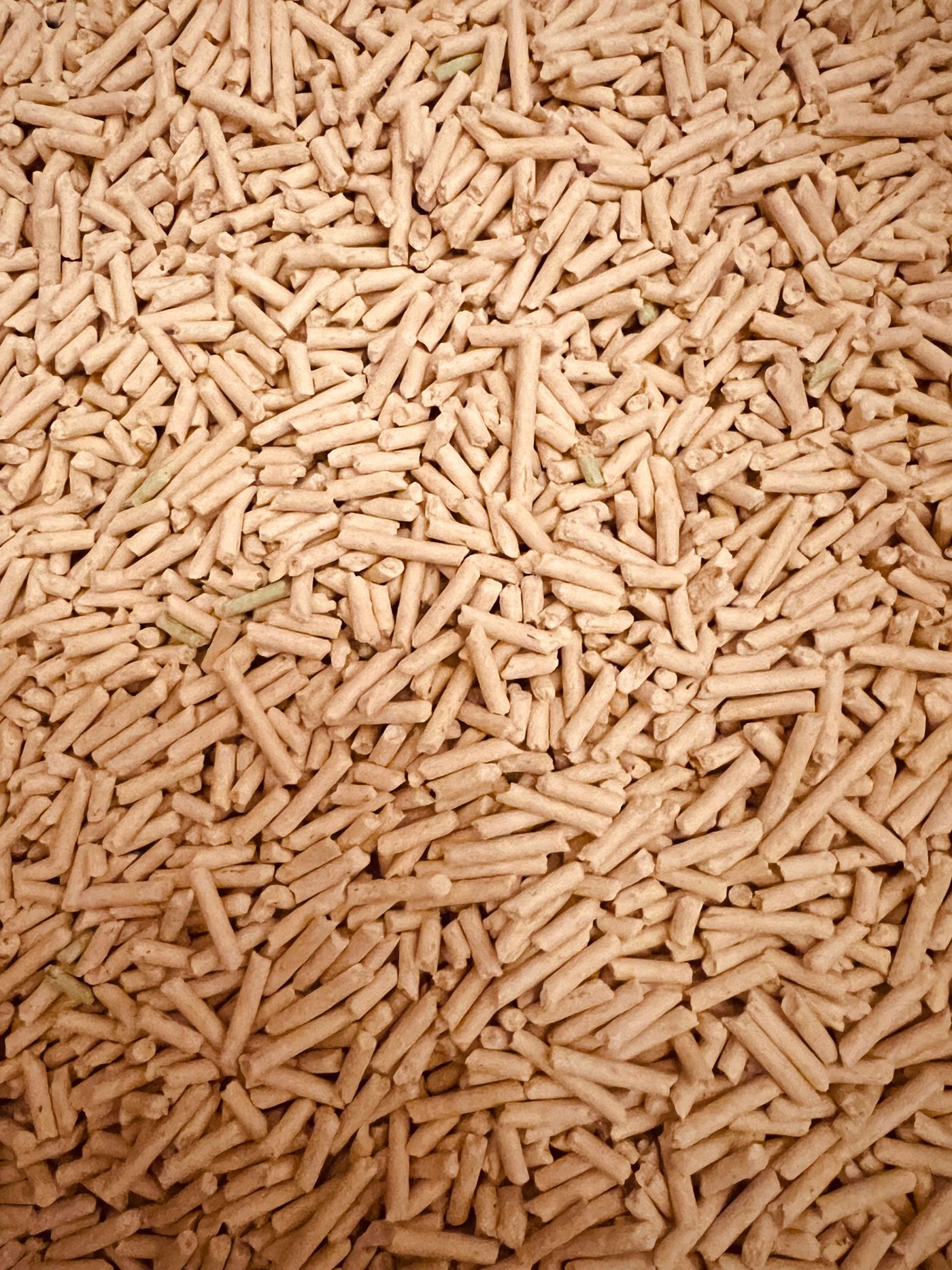
When clients ask "is the switch actually worth it?", they're usually asking three questions at once — is the CO₂ saving real, will the fuel cost stack up, and will the audit pass. Eighteen months of switching data lets us answer all three with numbers, not promises.
The methodology, briefly
We pulled production data from forty industrial plants that switched their primary fuel to NatureTech pellets between October 2024 and April 2026. Twenty-eight switched from coal, eight from diesel, four from furnace oil. Plant capacity ranged from 250 kW (small bakery) to 5 MW (textile-park cogen).
For each, we recorded the pre-switch monthly fuel cost, post-switch monthly cost, kWh-equivalent output, ash handling labour, and the result of the most recent emissions audit. Where available, we cross-checked flue measurements against client-supplied third-party reports.
Finding 1 — CO₂ displacement is real, but accounted differently
The biggest mistake clients make is comparing fuel-by-fuel without the biogenic offset. Coal CO₂ is fossil — it adds new carbon to the atmosphere. Pellet CO₂ is biogenic — it returns carbon that biomass absorbed in the same year. The IPCC accounting for this is well-defined, and most emissions auditors apply it correctly.
Across forty plants, the median net CO₂ reduction post-switch was 83%. Coal switchers landed slightly higher (87%); diesel switchers slightly lower (79%) because diesel has a better baseline emissions profile. — derived from client production data, Oct 2024 – Apr 2026
Finding 2 — Fuel cost trajectory beats the static comparison
On any given Tuesday, pellets may or may not be cheaper than coal per kcal. The decisive factor is volatility. Coal is exposed to FX, freight and global commodity cycles. NatureTech pellets are locally sourced — the price moves in PKR with regional sawmill inventory, not with Newcastle indices.
Across the cohort, the median twelve-month realised fuel cost saving was 24%, even though the spot-price gap at any given moment averaged around 12%. The difference is volatility: clients avoided three significant coal price shocks during the window.

Finding 3 — Audit pass rate jumped
Of the forty plants, twenty-one had failed at least one emissions audit in the eighteen months before switching. In the eighteen months after switching, only two failed an audit — and both for reasons unrelated to the fuel (one was an ash-disposal procedural violation, the other was a calibration timing issue on stack monitoring).
Particulates and SOx drop dramatically on a pellet boiler tuned correctly. The unexpected win is NOx — biomass combustion produces less NOx than coal in most boiler geometries, contrary to what some operators expect.
Finding 4 — Ash handling is a real cost line item, and it shrinks
Coal ash runs 15–22% by mass. NatureTech pellet ash is under 0.7%. Across the cohort, the median drop in ash-handling labour was 77%. For continuous-duty plants this is not a small number — it freed up roughly two FTEs at the larger sites.
What the math doesn't capture
- Switching CAPEX: retrofit kits cost money. Payback ranged 1.4 – 3.1 years.
- Learning curve: operators need a couple of months to dial in feed rates.
- Storage: pellets need a dry silo. Most plants converted existing coal bunkers.
Bottom line
For the median plant in this cohort, switching off coal or diesel onto NatureTech pellets produced: a ~24% fuel cost saving, an ~83% CO₂ reduction, dramatic audit risk improvement, and ~77% less ash handling overhead — at a payback of around two years. The economics aren't ambiguous.
The harder question is operational: can your plant absorb a two-week conversion window? For most clients, the answer is yes — and we structure the project to stay inside it.
About the author — Eng. Sharieff is NatureTech's Chief Operating Officer and the engineer of record on most of the retrofit projects referenced in this article. He posts roughly monthly on technical questions raised by clients in the field.

This matches what we saw at our paper mill — almost exactly. We were assuming the audit win would be the smallest factor, but it ended up being the most important to our board. Great write-up.